 Las Vegas, NV & Surrounding Areas

By Batito Construction Group • Published October 11, 2026 • Weather information checked October 11, 2026.
Las Vegas storm damage is a serious concern for property owners after today’s heavy rain. On October 11, 2026, moisture associated with Rachel’s remnants brought another reminder that desert homes and businesses need a plan for rain, runoff and wind. This guide explains the verified weather reports, recurring local flood risks and how to plan repairs after your property is safe to access.
October 11, 2026: tropical storm remnants and Las Vegas flooding concerns
The National Weather Service’s regional information connected the weather to the remnants of Tropical Storm Rachel and highlighted flood watches and gusty winds across Southern Nevada and nearby areas. See the NWS regional weather information. KTNV also reported more than one inch of early-morning rainfall on the west side of the valley and a flash flood warning that ran until 8:30 a.m. Read KTNV’s October 11 report.
These reports establish heavy rainfall and flood concerns. They do not establish a final count of damaged buildings, an insured-loss total or damage at any particular customer’s property. Each building needs its own assessment.
Was this a hurricane in Las Vegas?
The local event is more accurately described as rain and wind associated with tropical storm remnants. A storm’s moisture can affect inland communities after the original tropical system weakens. For homeowners searching for hurricane damage in Las Vegas, the practical construction issues are water intrusion, runoff damage and wind-affected building components.
Why rain causes recurring property problems in Las Vegas
Living in a dry climate does not remove flood risk. The NWS Las Vegas climate summary describes summer monsoon thunderstorms that can produce damaging gusts and heavy rain, with flash floods moving through normally dry washes and low-lying areas. Today’s October storm also shows why preparedness should extend beyond the summer season.
It can feel as though every storm brings a bigger repair bill. However, today’s event alone does not prove that Las Vegas rainfall or storm damage increases every year. Storm intensity varies, and a reliable trend assessment requires long-term local records. For a property owner, the actionable question is whether the building’s drainage, exterior envelope and existing repairs are ready for the next downpour.
Repeated leaks or ponding deserve attention even when the rain stops quickly. A stained ceiling may be the visible symptom of an unresolved entry point. Water reaching a doorway can reveal a drainage or grading issue. Repairs should investigate the underlying cause instead of repeatedly replacing the same damaged finish.
What property owners should check after the storm
Follow local authorities and wait until access is safe. The NWS guidance after a flood provides safety information for returning to affected areas. Stay out of floodwater and damaged areas with possible electrical or structural hazards; use qualified professionals for unsafe conditions.
- Document visible damage: take photos from a safe location and record when you first noticed leaks, staining or water entry.
- Identify affected spaces: note wet ceilings, walls, flooring, doors and commercial interior finishes without opening damaged assemblies yourself.
- Review exterior concerns with the right trade: ask about roof components, window and door seals, damaged walls and runoff paths.
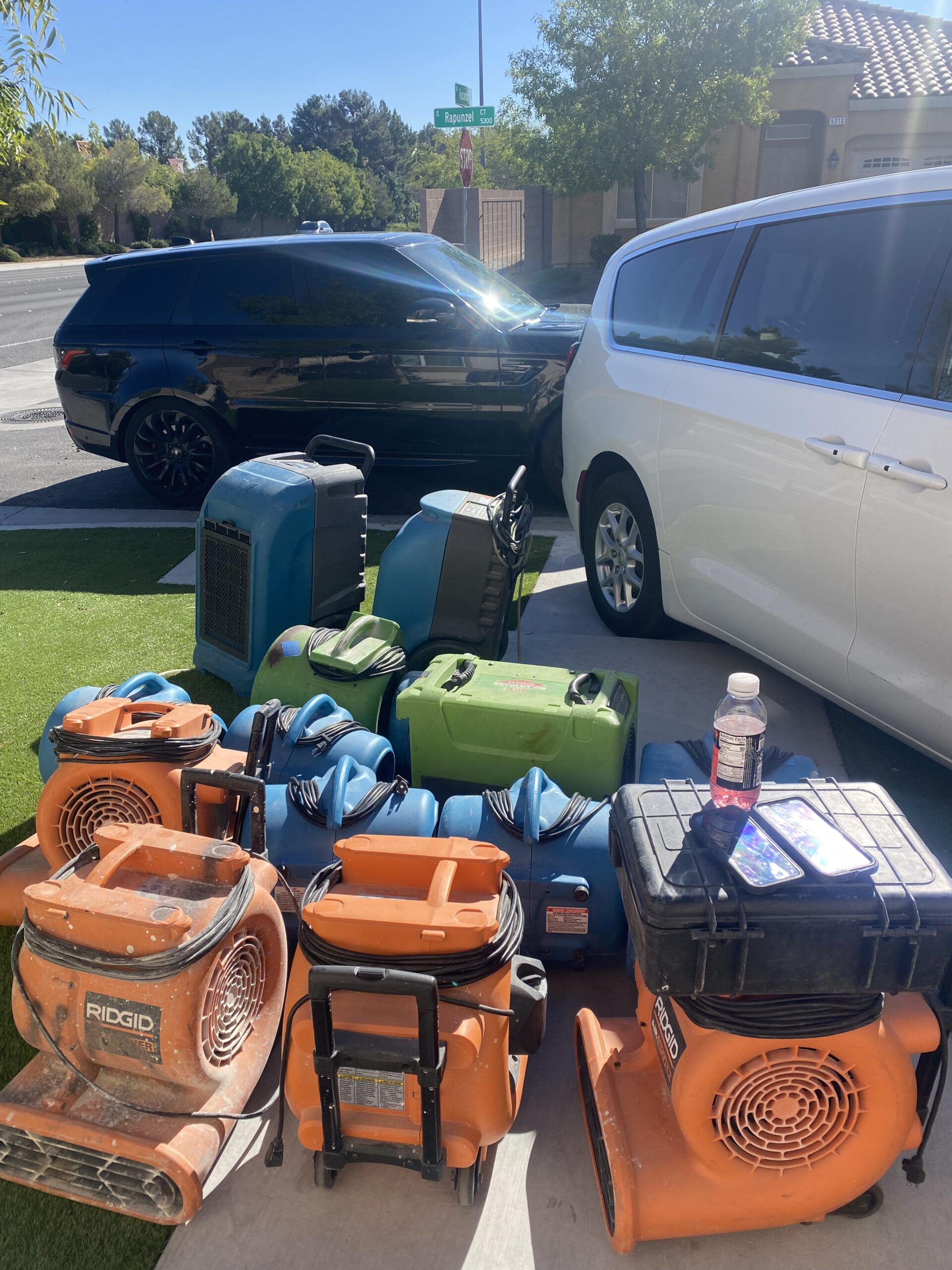
- Separate immediate cleanup from rebuilding: water removal, drying and any remediation should be addressed before reconstruction closes up affected areas.
- Keep project records: save photos, professional findings, estimates and invoices, and contact your insurer about its documentation requirements.
Planning storm damage repair in Las Vegas and Henderson
Once the site is safe, organize the work into a clear construction scope. Identify the damaged areas, specialist work, materials, access needs and any permits before committing to a repair schedule. Homes and operating businesses may need different approaches to access, phasing and protecting unaffected spaces.
Batito Construction Group can discuss construction repair and rebuilding needs for properties in Las Vegas, Henderson, North Las Vegas, Summerlin, Paradise, Spring Valley and Enterprise. Visit our storm damage repair landing page to review the service scope and request next steps.
For business properties, explore commercial facility repairs and commercial remodeling. Water extraction, structural drying and mold remediation may require specialists. Confirm the needed services, scheduling and scope before construction begins.
Need a plan for storm-damaged property?
Call Batito Construction Group at (702) 867-0187 or request a project consultation. Tell us your location, the affected areas and whether immediate drying or specialist work is still underway.
7 essential storm damage recovery planning steps
Use these seven steps to organize a storm damage repair conversation after qualified professionals have confirmed safe access. The checklist helps separate urgent protection from permanent rebuilding and keeps decisions tied to the conditions at your property.
1. Create a room-by-room storm damage record
List affected rooms and photograph visible staining, flooring changes and damaged finishes from a safe position. Include the date and keep original files. Describe what you observed rather than guess the hidden cause. A clear record helps the assessment team compare conditions and define what still needs investigation.
2. Identify the water entry source
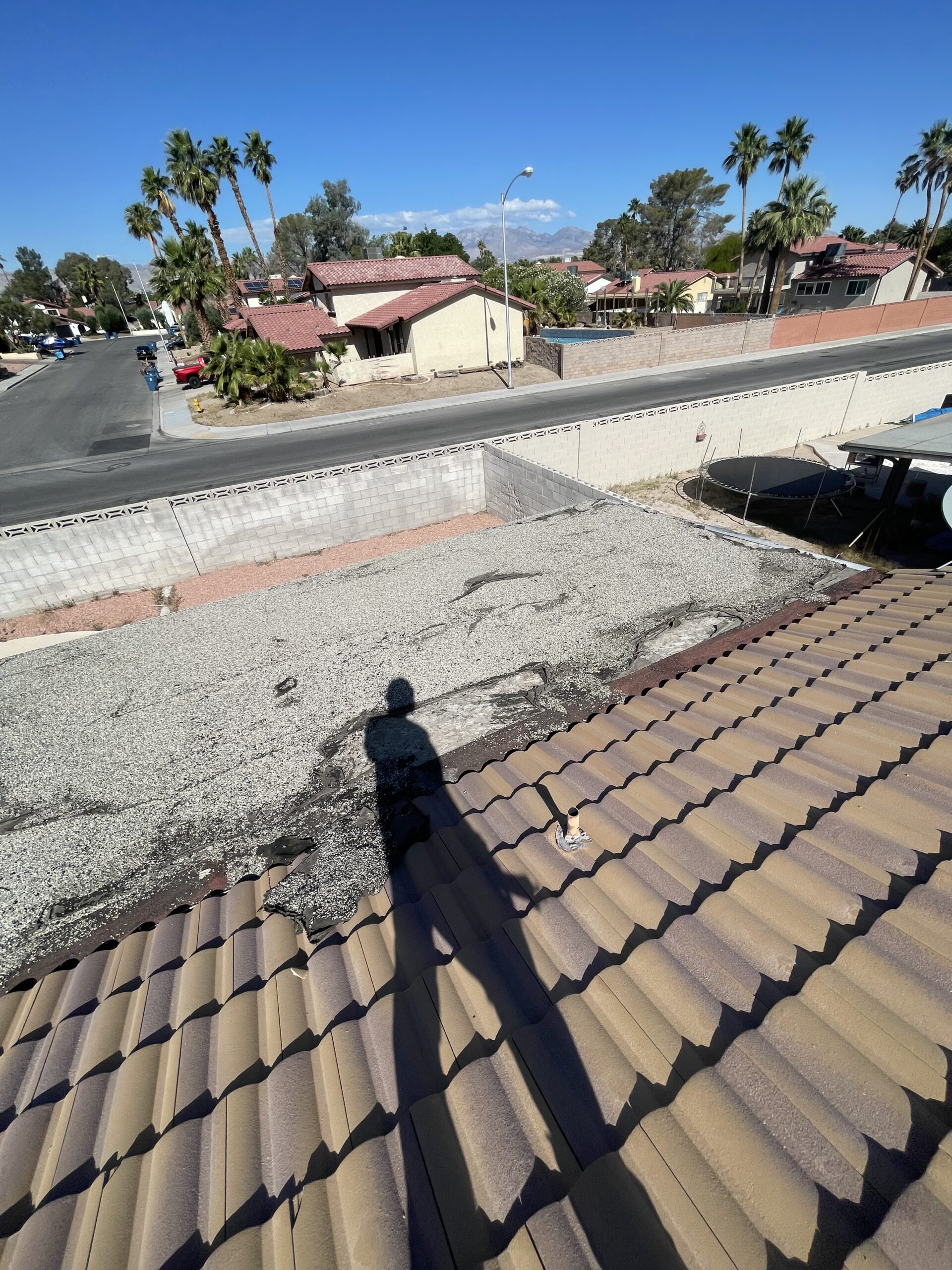
Ask the appropriate specialist to investigate how water entered. Roof transitions, openings and drainage paths can require different repairs. Replacing a stained finish alone may leave the cause unresolved. Record the proposed source repair separately from interior restoration so both responsibilities are clear.
3. Confirm drying before closing assemblies
Ask who will evaluate moisture conditions and document readiness for reconstruction. Storm damage work can involve several trades with different responsibilities. Keep drying records with the project documents and agree on the handoff before insulation, drywall or flooring hides the affected area.
4. Define the storm damage rebuilding scope
Request a written list of demolition, protection, materials, labor and restoration. Identify which rooms remain occupied and which finishes need matching. If the exact product is unavailable, approve an alternative before ordering. Ask whether disposal, access protection and cleanup are included in the estimate.
5. Compare estimates using the same assumptions
A low total can omit work that another proposal includes. Compare quantities, finish allowances and exclusions before selecting a proposal. Ask how discoveries will be priced and documented. Keep your insurance discussion separate from construction authorization; an estimate does not promise that a policy covers the work.
6. Coordinate access and trade sequencing
Discuss deliveries, parking and protection of unaffected areas. In an operating business, explain which spaces must remain usable and who can authorize temporary interruptions. A realistic storm damage schedule identifies dependencies, including specialist work and inspections where applicable, rather than promising a date before the scope is understood.
7. Complete a documented walkthrough
Review the agreed repairs, remaining items and care instructions with the project team. Keep product information and any warranties actually provided. Confirm who handles follow-up questions. An organized storm damage closeout gives the owner a useful record for maintenance and future repair decisions.
Questions to settle before storm damage reconstruction
What belongs in the written scope?
Ask for a description of each affected area and the work proposed there. A ceiling repair may include removal, replacement, texture and painting, but those items should be stated rather than assumed. Identify adjoining finishes that require protection and which belongings the owner must move. Record the difference between repairing the damaged portion and upgrading the entire room. Keeping these decisions separate helps an owner understand the estimate and approve optional improvements deliberately.
Who coordinates specialists?
One project can involve a roofer, plumber, drying company and rebuilding team. Identify the contact responsible for each stage and the information needed for the next handoff. Ask which party confirms that the source has been addressed and which records support readiness for finishes. An owner should not have to infer those responsibilities from several unrelated invoices. A simple contact list and sequence of work make storm damage coordination easier.
How will matching finishes be handled?
Older paint, tile and flooring may be difficult to match exactly. Ask the team to identify available materials and show proposed alternatives before installation. Consider how an isolated repair will meet adjacent surfaces, doorways and corners. If a broader finish area is proposed, request an explanation and a separate description of that scope. Photographs can help discussions, but physical samples and site observations provide a clearer basis for selection.
What happens if concealed damage is discovered?
Discuss how the team will document discoveries once authorized opening begins. A change request should identify the condition, proposed work and effect on price or sequence. Agree on who can approve it and how that approval is recorded. Avoid informal instructions from several people at the property. The storm damage project record should make it clear which work was included originally and which work was added after further assessment.
What should an occupied property plan include?
Tell the team about normal household or business activities before work is scheduled. Discuss the areas workers can access, where materials may be stored and how unaffected spaces will be protected. Identify pets, deliveries and any rooms that need special coordination. These practical details influence staging and communication. Ask for updates when the sequence changes so occupants can plan around the actual work.
How do owners prepare for the next rainfall?
Keep a record of repaired entry points and maintenance recommendations provided by the relevant professionals. Report recurring staining or water entry promptly rather than assume the previous repair covers every possible source. Discuss roof and exterior maintenance based on the property conditions. A completed storm damage repair is also an opportunity to organize photographs, invoices and product information in one place for future reference.
What should the final walkthrough cover?
Compare completed work with the written scope, approved selections and authorized changes. Note remaining items in a shared list and identify who will respond. Ask how to report a workmanship concern and request the warranties actually applicable to the materials and work. The walkthrough should cover cleanup and agreed exterior restoration as well as the most visible interior finishes. Keep these records with the storm damage project file.
Reviewing a storm damage estimate before work begins
Start with the affected room list and compare it with the estimate. Each listed area should connect to a described repair activity. Ask why a quantity was selected and what surface or assembly it covers. This is particularly helpful when a proposal uses a unit such as square feet, linear feet or an allowance. An owner does not need to know every estimating convention to ask for a clear explanation of the work.
For storm damage involving several rooms, ask whether the estimate separates source repairs, preparation and finish restoration. The distinction helps the owner understand what must happen first. It also makes it easier to coordinate separate companies without assuming that another team is responsible for a missing task. Note any work being provided directly by the owner and any services excluded from the proposal.
Discuss selection deadlines before agreeing on a construction sequence. Paint colors, flooring products, trim profiles and fixtures can affect purchasing and installation. Identify which decisions are urgent and which can be made later. If a preferred product cannot be obtained, ask for a documented alternative with its cost and timing implications. Keeping a selection log reduces repeated questions and helps everyone work from the same information.
Storm damage repairs can require access to areas beyond the visible stain. Ask the team to explain any proposed opening, protection or testing within its scope. Make sure necessary access is authorized before workers arrive. Record any existing conditions in adjacent areas so the project team has a clear starting reference. Photographs and an agreed description are often more useful than trying to reconstruct those details later.
Review payment stages in the actual agreement and understand what work or milestone each stage represents. Keep copies of invoices and authorized changes with the project file. When several parties are involved, identify the person who answers questions about the construction scope. Ask your insurer directly about policy decisions and reimbursement requirements rather than treat a construction proposal as a coverage determination.
For a commercial storm damage project, tell the team about tenant obligations, building management contacts and operating hours that affect access. Separate the owner’s preferences from requirements that need confirmation by the appropriate parties. A written sequence helps avoid deliveries or noisy activities being arranged without the necessary coordination. Update that sequence when the approved scope changes.
Before authorizing storm damage reconstruction, summarize the remaining open questions in a short list. Assign responsibility for each answer and identify any decisions that must wait. This gives the next conversation a practical purpose and prevents unresolved assumptions from becoming installation problems. A clear project record supports better communication from the initial assessment through the final walkthrough.
Las Vegas storm damage: common questions
Does every heavy rainstorm damage buildings?
No. Rainfall, runoff and property conditions vary. Visible water entry, recurring leaks or wind damage are reasons to arrange an assessment rather than assume all nearby properties have the same damage.
Should wet drywall be repaired right away?
Have the source of water intrusion and the need for drying or remediation assessed first. Reconstruction should follow the appropriate preparatory work so repairs do not conceal unresolved moisture problems.
Will insurance pay for storm damage repairs?
Coverage depends on your policy and the circumstances. Ask your insurer about the claim and documentation process. A contractor’s construction estimate does not determine coverage or guarantee payment.
How do I discuss a repair project with Batito?
Call (702) 867-0187 or use our contact page. Share the property location, visible damage and any professional reports. We can discuss construction scope and current availability.
This article is a dated property-planning guide, not a live alert feed. The linked weather pages may change as forecasts and reports are updated.
Storm damage cleanup and the rebuilding handoff
Before comparing storm damage cleanup services, ask how source concerns, drying records and the repair scope will be documented. Keep cleanup, specialist assessment and rebuilding responsibilities clear. This dated event guide is a planning reference; current conditions need their own review.
Prepare a storm recovery record before the next planning meeting. List the storm-affected rooms, the date each condition was observed and the documents already available. Separate confirmed findings from questions that need professional assessment. Identify the person coordinating access and the person authorized to approve changes. Ask how photographs, moisture records and specialist reports will be shared with the rebuilding team. Keep the agreed scope, exclusions and finish selections together so later decisions can be checked against a consistent record rather than a remembered conversation.
Leave a Reply